May 2026 Spotlight

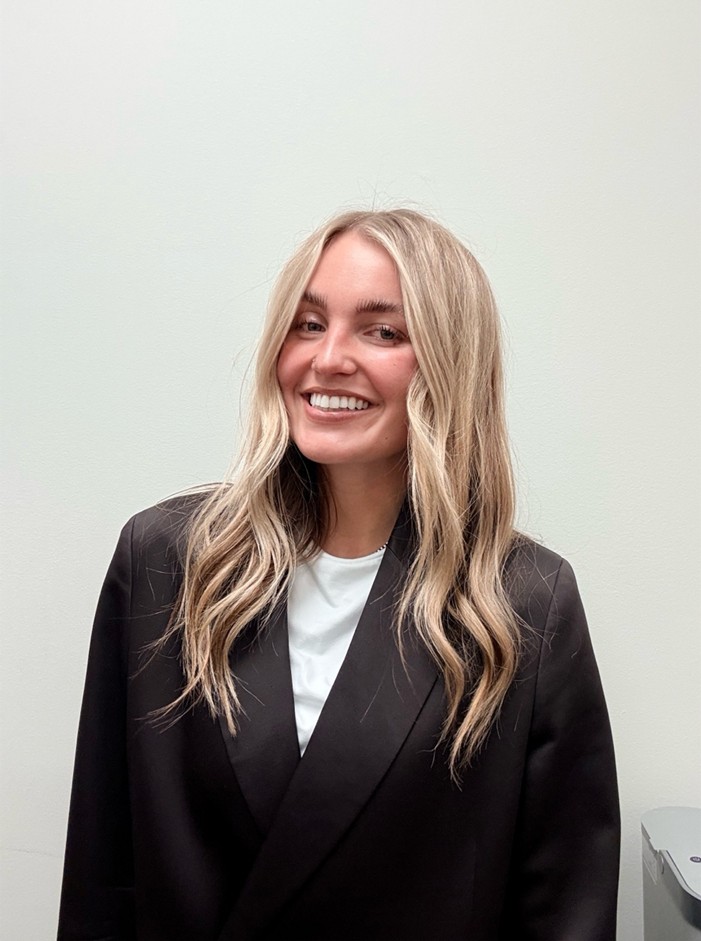
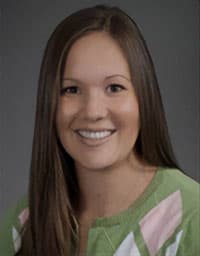
Sherry Negaard, M.S

Sherry Negaard is a University of Wyoming graduate researcher who spent the last academic year working alongside the Wyoming Telehealth Network (WyTN) at the Wyoming Institute for Disabilities to explore how different provider perspectives shape telehealth implementation across the state. Negaard is a lifelong Wyomingite and spent most of her life in Sundance. Her upbringing in small-town Wyoming played a significant role in her pursuit of medicine and fostered a deep-rooted passion for serving rural and underserved communities.

Throughout her undergraduate studies, Negaard pursued opportunities the combined modern medicine and technology to improve healthcare access in rural areas. These experiences ultimately lead her to pursue telehealth research with WyTN. Negaard supported research initiatives focused on strengthening telehealth delivery and understanding potential barriers to healthcare access throughout Wyoming.

In April Negaard successfully defended her graduate research during the quarterly Wyoming Telehealth Consortium meeting, which enabled her to earn a Master of Science in Kinesiology and Health Promotion, and graduate certificate in Community and Public Health. Negaard will continue her education this July in the Physician Assistant Studies program at Creighton University–Phoenix in Phoenix, Arizona, where she hopes to continue exploring innovative solutions to expand access to care in underserved communities.

Graduate Research Experience

As a graduate researcher, Negaard played an influential role in a large statewide study aimed at better understanding the facilitators and barriers shaping clinicians’ perceptions of telehealth across Wyoming. The study employed a mixed-methods approach, using surveys to collect data from direct-service providers across the state about their telehealth experiences, along with demographic information such as specialty, location, practice type, and years of telehealth experience. Negaard also coordinated and conducted semi-structured interviews with medical and mental health professionals across Wyoming, resulting in in-depth discussions about the factors influencing clinicians’ likelihood of adopting or continuing telehealth. Although data analysis is still in its early stages, preliminary findings suggest promising opportunities for continued telehealth expansion statewide.


Preprofessional Focus Groups – Telehealth Practice

During her junior year of undergraduate studies, Negaard developed a strong interest in creating pre-professional development opportunities for both herself and her peers. What initially began as a way to better understand admission into healthcare graduate programs evolved into a broader passion that continued throughout her master’s education. As a future clinician, Negaard became interested in understanding how exposure to telehealth during graduate training may shape students’ perceptions of telehealth and their likelihood of using it in future clinical practice.

This interest led her to collaborate with the University of Wyoming’s graduate Speech Language Pathology (SLP) program, where she worked with students to gain insight into these questions from the student perspective.

At the beginning of April, Negaard facilitated a student focus group with four first-year students from the University of Wyoming’s Speech Language Pathology (SLP) program. The approximately hour-long semi-structured discussion used questions adapted from surveys used in the larger statewide telehealth study and focused on identifying facilitators and barriers to telehealth throughout students’ graduate experiences. All participants had firsthand experience serving as lead clinicians providing telehealth services to clients in rural communities, including school-age populations and individuals receiving speech rehabilitation services. Although each student brought varying levels of experience and exposure to telehealth, all participants offered unique perspectives on how telehealth shaped their pre-professional development and clinical experiences thus far.

There were five predominant influences that strongly shaped students’ perspectives on telehealth: client demographics and environments, technology, patient rapport, support during sessions, and pre-existing perceptions of telehealth prior to the graduate telehealth experience.

Client Demographics and Environment

One of the most common themes students discussed was how client demographics and environmental factors influence telehealth success. Because the students primarily worked with school-aged children and rehabilitation clients, they noted that telehealth may be more effective for some populations than others. Students explained that distractions within classrooms or home environments can make maintaining engagement difficult, particularly among younger clients. They also noted that differences in sound quality over virtual platforms can make certain speech and voice conditions more challenging to assess remotely.


Technology

Technology was another major influence shaping student experiences. Participants discussed challenges faced by both younger clients unfamiliar with computers and older adults with limited experience using smartphones or video platforms. Technical difficulties, such as poor internet connection or camera malfunctions, also created barriers that can interrupt therapy sessions and reduce valuable treatment time. Students also highlighted concerns about clients from lower socioeconomic backgrounds’ access to technology, though some shared positive experiences in which supervisors helped clients obtain necessary equipment to improve accessibility.


Patient Rapport

Students also reflected on the challenges of building patient rapport through telehealth. Maintaining engagement and managing behaviors remotely, especially among younger children, often required greater creativity and structure than traditional in-person sessions. However, despite these challenges, students emphasized that they could still establish meaningful therapeutic relationships virtually.


Support During Sessions

Another important influence involved support provided on the client side of telehealth sessions. Students frequently discussed the value of “e-helpers,” individuals physically present with clients who assist with engagement, behavior management, and troubleshooting technology during appointments. Participants consistently described these helpers as beneficial and expressed interest in expanding similar support systems across rural communities.


Pre-Existing Perceptions of Telehealth

Lastly, students reflected on how their perceptions of telehealth prior to graduate training shaped their initial attitudes toward virtual care. Before gaining firsthand experience, all four students acknowledged misconceptions about the effectiveness of telehealth and the ability to form meaningful patient connections remotely. However, direct clinical exposure challenged many of these assumptions and demonstrated telehealth’s value as an effective healthcare delivery tool. These discussions emphasized the growing need for increased telehealth education and exposure within healthcare training programs to better prepare future clinicians for evolving models of care.


Results

These experiences collectively shaped how students viewed telehealth and influenced their likelihood of incorporating it into their future clinical practice. Despite the challenges discussed during the focus group, all participants recognized telehealth’s potential to expand access to care for rural and underserved communities. Three of the four students expressed a strong intention to incorporate telehealth into their future practices, emphasizing its importance in improving healthcare accessibility across Wyoming. One student shared:


“It is very likely I will use it in my future practice, so that I can give as much access as possible. I think that’s the most important thing, especially in Wyoming, where there’s just a lot of rural communities that don’t have access. Also, speech pathologists are generally very limited. I would be more than willing to use telehealth.”

Conclusion

As telehealth continues to evolve within healthcare delivery, the perspectives shared by these emerging clinicians underscore both its current impact and its future potential, reinforcing the importance of ongoing research, education, and training to support its use across all communities. In her future clinical practice, Negaard plans to use telehealth to help bridge systemic gaps in healthcare access, particularly for rural and underserved populations, while also aiming to positively influence both her professional peers and future clients through advocacy and education about its use.

April 2026 Spotlight

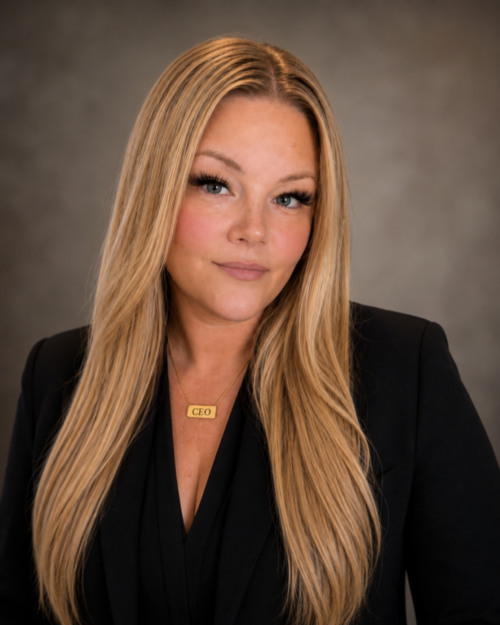
Jody Haines, MHA, FACHE 

Jody Haines has dedicated her career to rural healthcare. As a fifth-generation Montanan, her frontier roots serve as the “why” in her quest to make geography irrelevant in delivering medicine. For the past 19 years, she has served in regional leadership roles focusing on strategic development and long-term sustainability of innovative rural health initiatives. Over the past decade, Jody has led, designed, and implemented cutting-edge digital health initiatives aimed at enhancing healthcare access to quality care.
Jody is the director of telehealth for Billings Clinic and the Eastern Montana Telemedicine Network, which includes over thirty rural healthcare facilities across Montana and Wyoming. She is also chair of the Northwest Regional Telehealth Resource Center.
A fun fact about Montana is that the Eastern Montana Telemedicine Network is one of the first telemedicine networks in the country. Established in 1993, it was created to better connect healthcare services to rural and underserved communities. Jody remains deeply committed to serving rural populations and has seen firsthand how telehealth helps patients receive care more quickly. Despite harsh weather conditions, far distances, or the demands of busy ranching and farming seasons, telehealth allows patients to connect with providers. As she explains, “Telehealth allows us to make geography irrelevant in delivering healthcare, which is crucial in the diverse geography we are fortunate to serve.”
Jody holds a Bachelor of Science from Montana State University, an Executive Master’s in Healthcare Administration from the University of Washington, and a Certificate in Digital Health Leadership from Harvard University.
She was introduced to telehealth by her mother, who provided rural heath care services for her patients and later was able to offer telehealth to those rural patients “before it was cool.” She is inspired by the leaders who came before her and says she feels fortunate to “stand on the shoulders of those who built the initial models to deliver care across a distance.” Today, she works with an exceptional team that continuously innovates and expands telehealth services, directly improving healthcare access for the patients they serve. Jody is proud to see telehealth become a routine part of everyday healthcare noting “telehealth is health”.
Haines and her team have delivered telehealth services to patients ranging in age from newborns to over 100 years old. She takes great pride in the ability to provide high-quality care across such a wide age spectrum. While acknowledging telehealth is not an option for every clinical use case or patient, she encourages patients who are curious about telehealth, she says, “Try it. We are here to help! Telehealth is just another front door to care—and we’ll walk you through it.”
Her advice to providers looking to implement telehealth is: “Keep it simple—it works.” She emphasizes that while telehealth has proven to be the right tool for her clinic—and in some cases even more effective than in-person visits, finding the right balance between virtual and in-person care is essential. One of the biggest ongoing challenges is connectivity. Limited access to broadband and varying levels of comfort with technology can create barriers for patients. Despite these challenges, she remains optimistic about the future of telehealth. Continued progress in education, support, and flexibility has helped expand its reach. As she notes, “Sometimes telehealth looks like video, sometimes it looks like phone, and that adaptability has helped us overcome a lot.”

Thank you for your commitment to telehealth excellence, Jody – we’re excited to see your reach continue to grow.

Click here to learn more about Jody’s practice!

March 2026 Spotlight

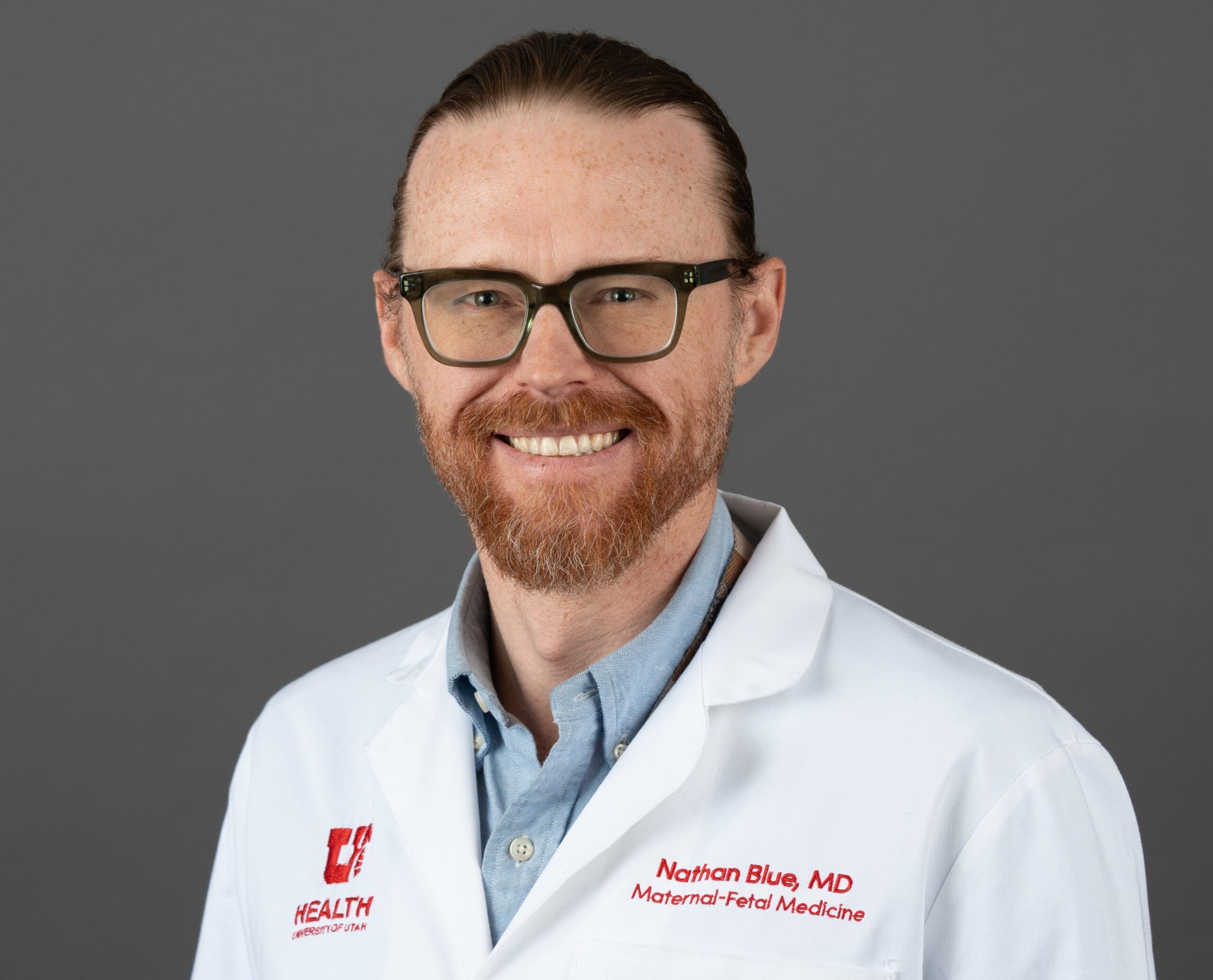
Nathan R. Blue, MD 

Nathan Blue, MD is a maternal–fetal medicine specialist and physician–scientist at the University of Utah. His research explores how we can use technology such as AI and telehealth-integrated digital tools to improve risk management during pregnancy. His ultimate research goal is to make pre-natal and maternal care more individualized andproactive. Clinically, he provides high-risk obstetric services across the region, including in Jackson and Rock Springs, Wyoming. Dr. Blue is deeply committed to expandingaccess to high-quality obstetric care through telehealth and provider education programs like Project ECHO.

Dr. Blue first learned about telehealth during his medical training when it was still considered a niche tool for providers. He began regularly using telehealth during the COVID-19 pandemic but quickly realized the value of telehealth extended beyond the pandemic-era shutdowns. He has found telehealth to be highly impactful in expanding access to care- particularly for patients who face barriers to in-person visits. According to Dr. Blue, telehealth has improved patient access to specialty care by allowing providers to reach broader patient populations. Importantly, he’s found telehealth supports frontline providers in rural communities by giving patients access to the specialists they need.

Dr. Blue also believes that telehealth has created new opportunities for provider education. He highlighted programs such as Project ECHO, which is a learning-based model that combines didactic presentations with community discussions centered around real cases or challenges faced by providers. These trainings help rural providers feel more supported and confident in managing complex cases. This Spring, Dr. Blue presented at the University of Wyoming’s Rural Obstetrical Care ECHO, where he was able to educate Wyoming providers about pre-eclampsia patients.

 For providers interested in initiating telehealth practice is to start small. Incorporating occasional virtual visits into an in-person clinic can help staff and patients become more comfortable with the process. If there is sufficient interest, providers can eventually transition to a fully virtual clinic, which can be run from a home or office setting. Though virtual clinics can provide operational and staffing benefits, Dr. Blue notes that it may take time to refine workflows since they differ from traditional care models. He emphasizes the importance of clear communication and patient support when transitioning to and preparing for virtual appointments.

Lastly, Dr. Blue offers a practical tip: avoid conducting virtual visits from home during bad weather if there is a risk of losing internet or power. As he humorously adds, “Don’t ask me how I know!” Dr. Blue says his proudest accomplishment in telehealth is seeing patients receive high-quality care without the burden of traveling long distances. “Even though a virtual visit isn’t as fun as an in-person visit,” he says, “the benefits for patients make it worth it.”

Thank you for your commitment to telehealth excellence, Dr. Blue – we’re excited to see your reach continue to grow.

Click here to learn more about Dr. Blue’s practice!

February 2026 Spotlight

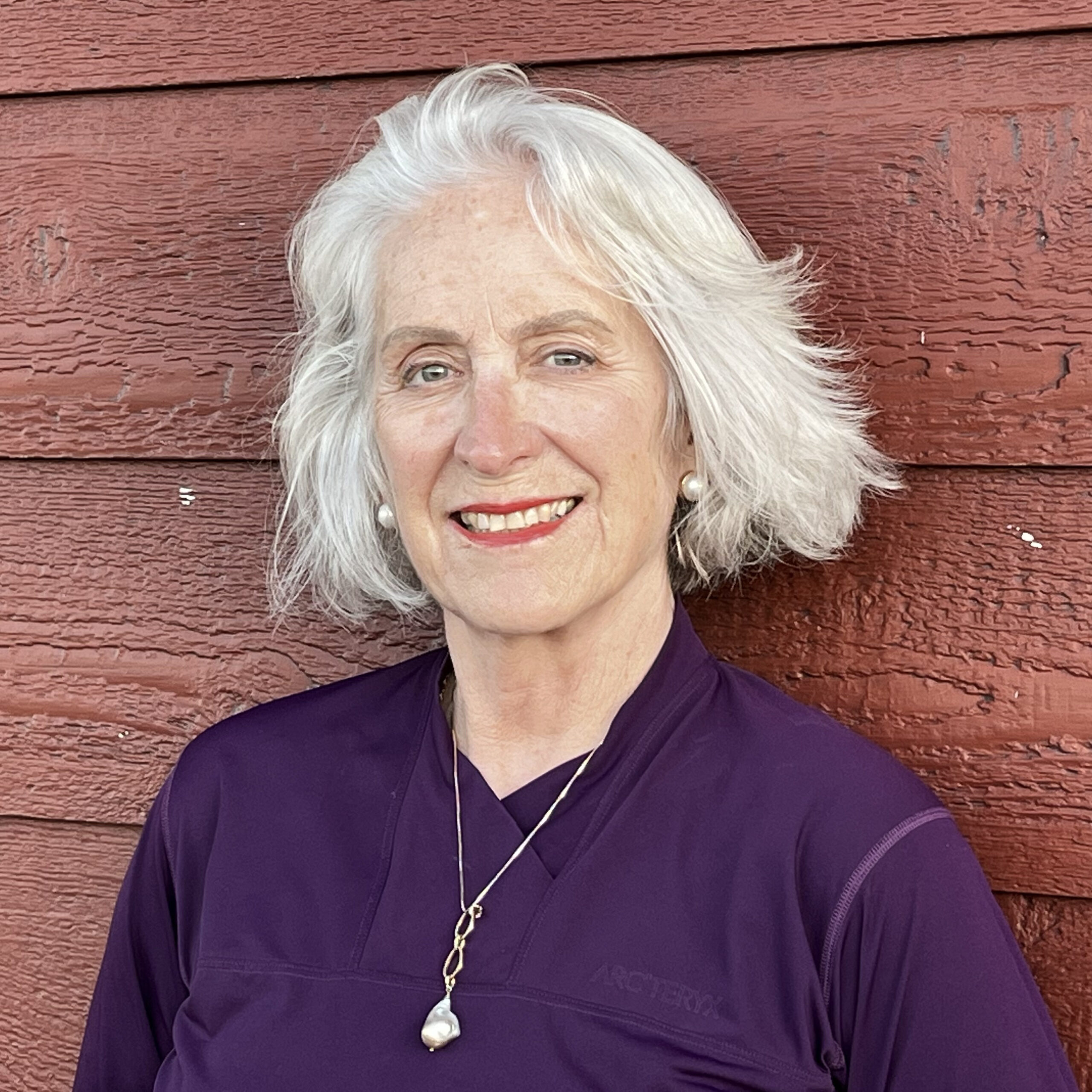
Head Shot of Lynn S. Horton, MD

Lynn S. Horton, MD 

Dr. Lynn S. Horton is a board-certified family physician based in Northwest Wyoming. After 40 years of cumulative experience providing primary care in a variety of settings, including outpatient clinical practice, urgent care, emergency medicine, and as an inpatient hospitalist, Dr. Horton shifted her focus toward preventative, personalized medicine. In January 2025 she opened Wisdom Health, LLC, in Powell, WY. The mission of Wisdom Health is to address and heal the root causes of chronic symptoms and illness. Dr. Horton tailors her patient’s healthcare to their unique genetic makeup, environment, and lifestyle. She incorporates evidence-based research on cellular functions, metabolism, nutrition, stress management, and restorative sleep into her highly personalized and unique treatment plan. Areas of special interest include prediabetes and diabetes; anxiety and depression; obesity and gut issues; perimenopause and menopause; chronic inflammation and toxin exposure.

Dr. Horton believes that by incorporating small, doable practices into their lifestyle, people not only feel and function better, but also reduce their risk of heart disease, stroke, diabetes, cancer, and autoimmune disease. “Our body has evolved to heal itself effectively, as long as we support that healing with the right tools,” Dr. Horton says. She passionately believes that being an effective healer requires a role model who practices self-care. Dr. Horton prioritizes ongoing education to optimize and provide best practice guidelines in Functional Medicine. In addition to maintaining board certification in Family Medicine, she has obtained additional education and training in Integrative Psychiatry; she is currently working on her certificate in Personalized Medicine.

Last spring, after obtaining certification as a Fast Like a Girl lifestyle coach, Dr. Horton utilized the Wyoming Telehealth Network’s Zoom licenses to teach educational, virtual classes on nutrition and lifestyle, and the impact of incorporating small, intentional health practices to optimize health and metabolism. In her first year of practice, Dr. Horton taught a total of six virtual classes and expanded her practice to 1:1 meetings with her personalized medicine clients.

Outside of her work with telehealth, Dr. Horton and her husband, rancher and farmer Rod Morrison, own and operate a certified organic farm, agri-tourism and wellness retreat space on Heart Mountain located between Cody and Powell, WY.

Thank you for your commitment to telehealth excellence, Dr. Horton – we’re excited to see your reach continue to grow.

Click here to learn more about Lynn’s telehealth practice!

January 2026 Spotlight

Kimberly Huckfeldt-Mundt, LPC

Kimberly Huckfeldt is a licensed Mental Health Counselor with Volunteers of America – Northern Rockies in Wyoming. Born and raised in Torrington, she earned an Associate’s Degree from Eastern Wyoming College, a Bachelor’s in Psychology at the University of Wyoming and a Master’s at Capella University in Mental Health Counseling. Additionally, she is working towards becoming a Licensed Addictions Therapist.

Kimberly works to improve the lives of her adult patients by focusing on improving their mental health and working through substance use disorders. She actively engages with her patients, provides empathy, and walks with them as they work toward achieving their goals. Kimberly started seeing her patients over telehealth during the Covid-19 pandemic, and has continued with this practice ever since. Kimberly was nominated for our 2025 Excellence in Telehealth award. She is a telehealth advocate as noted by her nominator: “Kim is very comfortable with telehealth and will often assist her clients to utilize the services.”. Through the integration of telehealth, Kimberly has maximized her impact, while “provid[ing] excellent service to individuals throughout the state”.

In her free time, Kimberly enjoys going for walks, playing with her black lab, spending time with her family — especially chasing after her 18mo daughter, and watching sports.

Thank you, Kimberly, for your commitment to telehealth excellence!

Click here to learn more about Kimberly’s telehealth practice!

December 2025 Spotlight

The 2025 nominees for the Dr. James Bush Award for Excellence in Telehealth were truly outstanding. Over the coming months, the Wyoming Telehealth Network will be highlighting these nominees, to recognize and celebrate their achievements and contributions towards the advancements of telehealth services in Wyoming.

Stephen Hawkins, MD

Dr. Stephen Hawkins is a pediatric pulmonologist and sleep specialist at the Children’s Hospital Colorado, and a faculty member at the University of Colorado School of Medicine – Anschutz Campus. He completed his medical education at the Medical College of Georgia School of Medicine, and then moved to Colorado to complete an internship, residency training, and two fellowships at the University of Colorado (Children’s Hospital Colorado) Program.

Dr. Hawkins is broadly interested in improving sleep outcomes among children and teenagers. He actively engages with his patients and their families, and works with them find the best information, develop a sound treatment plan, and work through that plan together.

Dr. Hawkins was nominated for our 2025 Excellence in Telehealth award by a parent of a patient who described Dr. Hawkins as an empathetic and active listener. Though they initiated treatment before the Covid-19 pandemic, once the shutdown began, Dr. Hawkins quickly adapted to the use of telehealth. Beyond delivering 1-on-1 care via telehealth, Dr. Hawkins remotely coordinated care plans, consulted with other providers (often during the appointments to include the parent’s perspectives), and importantly, was able to deliver the same personable and compassionate standard of care expected of any visit to the doctor’s office. “Dr. Hawkins is in this profession to help kids . . . He is a champion for not only telehealth, but every child and family that get the honor to meet him!”.

Thank you for your commitment to telehealth excellence, Dr. Hawkins!

November 2025 Spotlight

The 2025 nominees for the Dr. James Bush Award for Excellence in Telehealth were truly outstanding. Over the coming months, the Wyoming Telehealth Network will be highlighting these nominees, to recognize and celebrate their achievements and contributions towards the advancements of telehealth services in Wyoming.

Dustin Brown, DHA, FACHE

Dr. Dustin Brown is a healthcare administrator with the State of Wyoming. Following a career as a Medical Service Corps Officer with the U.S. Air Force, Dr. Brown worked as the Wyoming Medicaid Program Manager. While there, he collaborated with Dr. Bush to write telehealth policy for Wyoming Medicaid that was flexible and adaptable to best support Wyoming providers. This experience introduced Dr. Brown to the potential of telehealth as a tool to expand access to healthcare, especially in our rural and frontier communities. In his current role Dr. Brown and his team at the Department of Education, developed Wyoming’s Project AWARE. The team built upon the in-person SAMHSA programming, to create a tele-mental health model that can be delivered to schools across Wyoming. Their model has had great success, having delivered high-quality mental health and substance use services over 2,000 students in Wyoming. Dr. Brown is a committed leader, researcher, and advocate for telehealth services and we are grateful for his continued efforts!

View Full Article

September 2025 Spotlight

Chelsea Paulus, MS, CCC-SLP

Chelsea and her team at Connect Speech Therapy, provide speech and language therapy services to over 400 clients, with ages ranging from 0 to 90 years. They’ve worked to engage and educate school administrators about the role of telehealth in implementing accessible, sustainable, and evidence-based therapy models. These efforts have been successful, as they currently deliver hybrid and virtual care to several school districts across Wyoming, and two Child Development Centers.

Beyond her role providing direct-services to the people of rural Wyoming and Montana, Chelsea is the chair of the Committee on Telepractice on the board for the Wyoming Speech-Language-Hearing Association (WyoSHA). In this role, Chelsea’s “strong desire to improve speech-language services for people in our state” has shined. Her advocacy for the integration of telehealth into standard therapy practices has created waves throughout Wyoming and Montana and continues to expand healthcare access to rural and frontier communities.

Chelsea worked as an early intervention specialist in Alaska before earning her Master of Science in speech-language-pathology from Bowling Green State University in 2016. In November of 2017 she founded Connect Speech Therapy in Sheridan, WY after recognizing the need for speech-language services in Wyoming. Originally based in Sheridan, Connect Speech Therapy has recently opened a clinic in Lander, and currently employs 14 speech-language pathologists, and speech-language pathology assistants.

View Full Article

August 2025 Spotlight

John F. Stinebaugh, LMFT

John Stinebaugh began counseling in  2007. Before living and working in Wyoming, John has worked in public education and community mental health in rural Kansas and Colorado, providing a wide array of services to children and their families. John is also a clinical fellow with the American Association of Marriage and Family Therapy and was a graduate of its inaugural Leadership Cohort in 2017.  John completed his bachelor’s degree in human development at Amridge University in 2009 and his master’s degree in marriage and family therapy in 2012. John was honorably discharged from the United States Marines in 2007.  In the office, you can find him providing guidance and support to councilors and supervisors, developing businesses, or training leaders to improve their skills and communities. He may even be doing a session with his therapy dog Huxley, or playing games as a Certified Geek Therapist.

View Full Article

June 2025 Spotlight

Sherrie Gould, NP, CMRD and Kelly Papesh, DNP, CMRD

NeuroMotion Telehealth, LLC

Neuromotion Telehealth Foundation

Contact us: neuromotiontelehealth.com

NeuroMotion TeleHealth is a nurse practitioner-led telemedicine company dedicated to providing expert, compassionate care for individuals living with Parkinson’s disease and other movement disorders—particularly in medically underserved regions such as Montana, Wyoming, and Nevada.

Founded by Sherrie Gould, NP-C, CMRD, and Kelly Papesh, DNP, CMRD, NeuroMotion TeleHealth was born out of a shared passion for closing the gap in access to specialized care. Together, Sherrie and Kelly bring decades of advanced clinical experience in Movement Disorders and have both earned national certification as Certified Movement Disorder Specialists (CMRD), a credential that reflects their deep commitment to excellence in this specialized field.

Their mission is to deliver comprehensive, up-to-date medical and lifestyle management through accessible telehealth visits, while also educating and supporting families on the journey with Parkinson’s and related conditions. NeuroMotion TeleHealth offers direct-pay consultations that include personalized medication plans, expert referrals, and guidance on therapies such as nutrition, physical activity, and speech, all from the comfort of the patient’s home.

View Full Article